


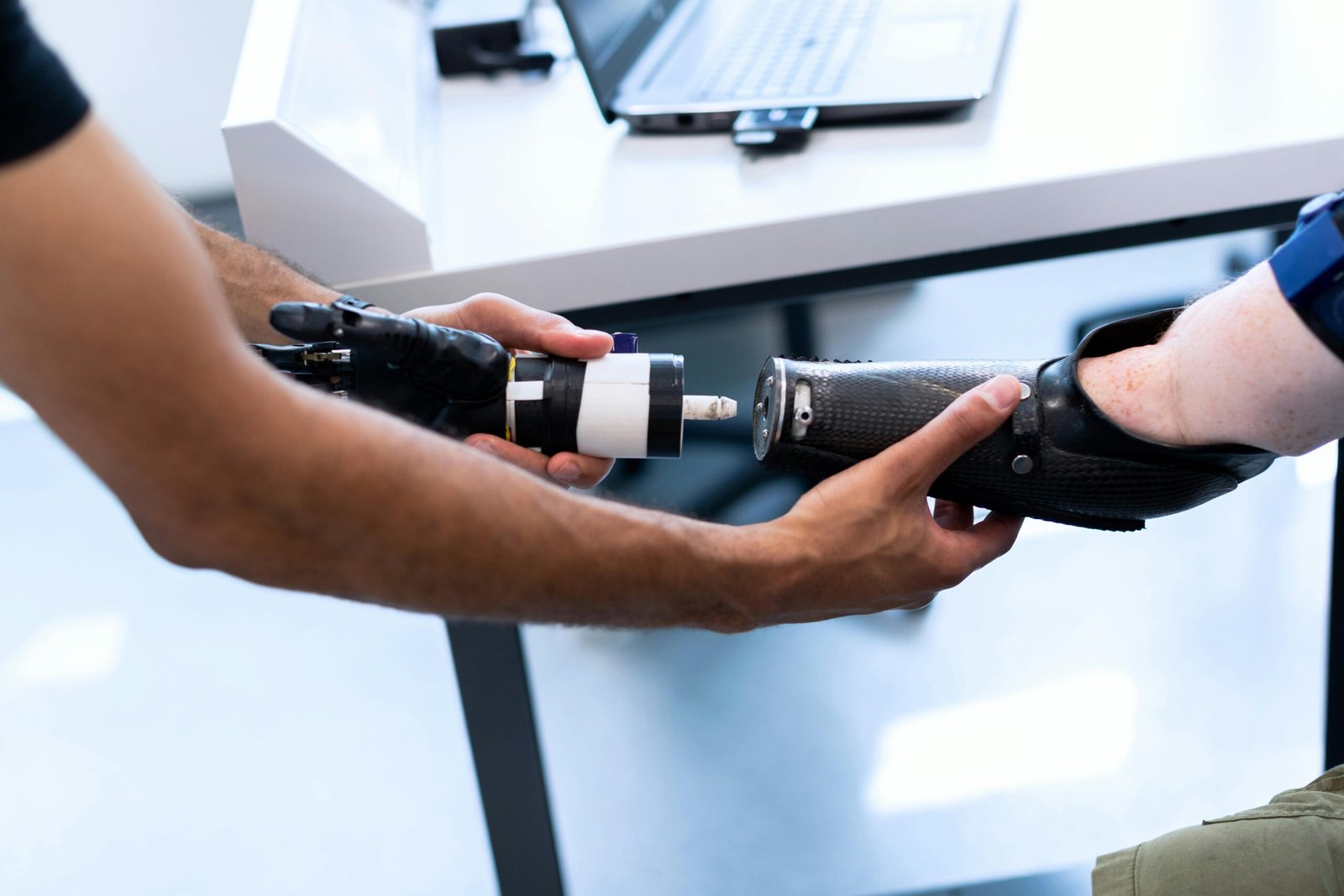
Introduction
What if the tools you use every day could think, learn, and adapt faster than you ever could? Not in some distant future—but right now, in 2026. It’s a strange moment we’re living in. Technology is no longer just supporting human activity; it’s starting to shape decisions, behaviors, and even creativity in ways that feel almost… autonomous.
Over the past few years, the pace of innovation has accelerated dramatically. Artificial intelligence, automation, and connected systems have moved from experimental phases into everyday reality. Businesses, governments, and individuals are all trying to keep up, often without fully understanding what comes next.
This article explores the future of advanced technology in 2026 by focusing on three major shifts: the rise of intelligent systems that act independently, the deep integration of technology into human life, and the growing importance of ethical and regulatory frameworks. Together, these trends are redefining how technology impacts society—and what it means for the future.
The Rise of Autonomous Intelligent Systems
One of the most noticeable changes in 2026 is how technology is no longer just reactive—it’s proactive. Systems don’t wait for instructions anymore; they anticipate needs and act accordingly.
What’s happening?
Advanced artificial intelligence systems are now capable of:
- Making real-time decisions in complex environments
- Learning continuously without human intervention
- Automating not just tasks, but entire workflows
For example:
- Customer service platforms can resolve issues end-to-end without human input
- Financial systems can predict market trends and adjust investment strategies instantly
- Healthcare tools assist doctors by diagnosing conditions based on vast datasets
Supporting evidence and trends
Studies in recent years have shown that companies using AI-driven automation are seeing:
- Increased efficiency (often by 30–50%)
- Reduced operational costs
- Faster decision-making cycles
This isn’t just automation as we knew it before. Traditional automation followed rules. Today’s systems learn those rules—and then improve them.
How this is different
Unlike earlier technologies that required constant human oversight, these systems operate with a level of independence that was once unthinkable. The shift is subtle but important: humans are no longer the sole decision-makers. Instead, they are becoming supervisors of intelligent processes.
Technology Becomes Deeply Embedded in Daily Life
If you step back and look around, it’s clear that technology is no longer something we “use.” It’s something we live with—almost like an invisible layer over reality.
What’s happening?
In 2026, technology is blending seamlessly into everyday life through:
- Wearable devices that monitor health continuously
- Smart environments that adapt to human behavior
- Augmented and virtual reality tools that reshape how we work and interact
Real-world examples include:
- Smart homes that adjust lighting, temperature, and security automatically
- Wearables that detect early signs of illness before symptoms appear
- Virtual workspaces where teams collaborate across continents as if they’re in the same room
Supporting evidence and trends
The global adoption of connected devices has surged, with billions of devices now linked through the Internet of Things (IoT). This interconnected ecosystem allows:
- Real-time data sharing
- Personalized user experiences
- Continuous optimization of daily activities
How this is different
In the past, technology required attention—you had to open an app, press a button, or input data. Now, it operates quietly in the background. The difference is subtle but powerful: technology is becoming ambient. It doesn’t interrupt life; it integrates into it.
This shift raises an interesting point—when technology becomes invisible, it also becomes harder to question or control. That leads us to the next critical development.
The Growing Need for Ethics and Regulation
As technology becomes more powerful and embedded in society, the question is no longer just “What can we build?” but “What should we build?”
What’s happening?
In 2026, there is increasing focus on:
- Ethical use of artificial intelligence
- Data privacy and security
- Accountability for automated decisions
Governments and organizations are introducing:
- AI regulations to ensure transparency
- Data protection laws to safeguard personal information
- Standards for responsible innovation
Supporting evidence and trends
Recent developments show that:
- Companies are being held accountable for biased algorithms
- Consumers are more aware of how their data is used
- Global discussions on AI governance are becoming more urgent
For instance:
- Organizations now conduct “ethical audits” of their AI systems
- Regulatory bodies are setting guidelines for AI deployment in sensitive sectors like healthcare and finance
How this is different
In earlier stages of technological growth, innovation often moved faster than regulation. In 2026, that gap is narrowing. Ethics is no longer an afterthought—it’s becoming a core requirement.
This marks a significant shift from a “move fast and break things” mindset to a more balanced approach where innovation and responsibility go hand in hand.
Conclusion
The future of advanced technology in 2026 is not defined by a single breakthrough, but by a combination of powerful trends working together.
First, autonomous intelligent systems are transforming how decisions are made, shifting humans from operators to overseers. Second, technology is becoming deeply embedded in everyday life, creating seamless and personalized experiences that blur the line between digital and physical worlds. Third, the rapid growth of these innovations is driving an urgent need for ethical standards and regulatory frameworks.
Looking ahead, the implications are clear:
- Businesses must adapt quickly or risk falling behind
- Individuals need to develop digital awareness and critical thinking
- Policymakers must balance innovation with responsibility
The real challenge isn’t just keeping up with technology—it’s shaping how it evolves.
So here’s the question worth thinking about: will you simply adapt to the future of technology, or will you actively participate in shaping it?
Now is the time to engage, learn, and lead—because in 2026, technology isn’t just the future. It’s the present.